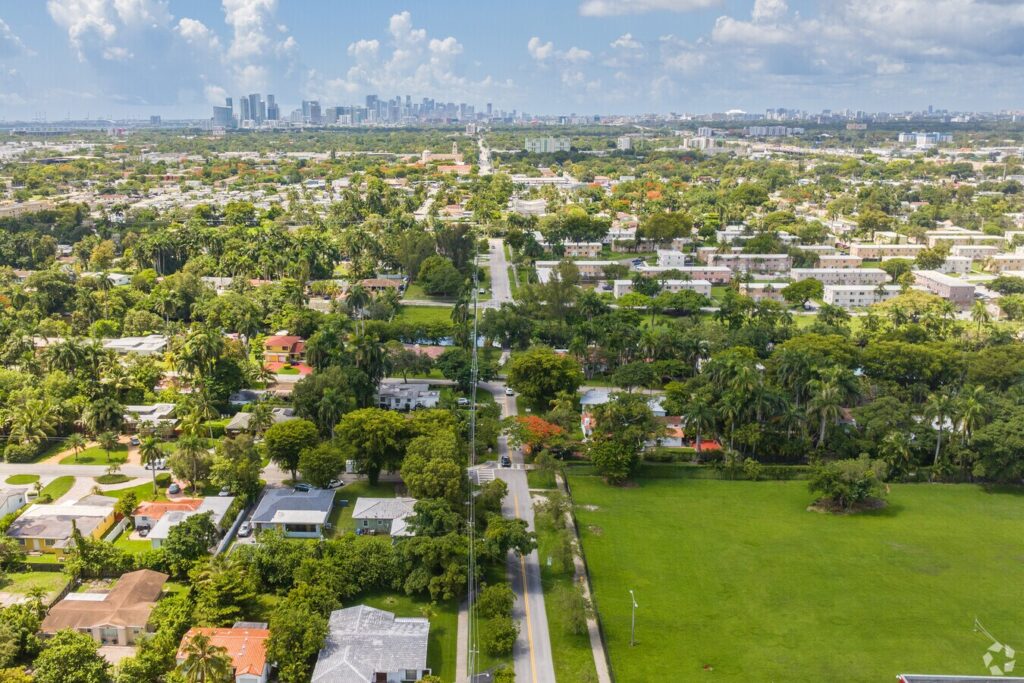


Why Investors Continue Watching Little River
From industrial roots to transformative growth, Little River is becoming one of Miami’s most closely watched neighborhoods.
For decades, Little River was known primarily for its industrial character, small businesses and strategic location within Miami.
Today, the conversation is changing.
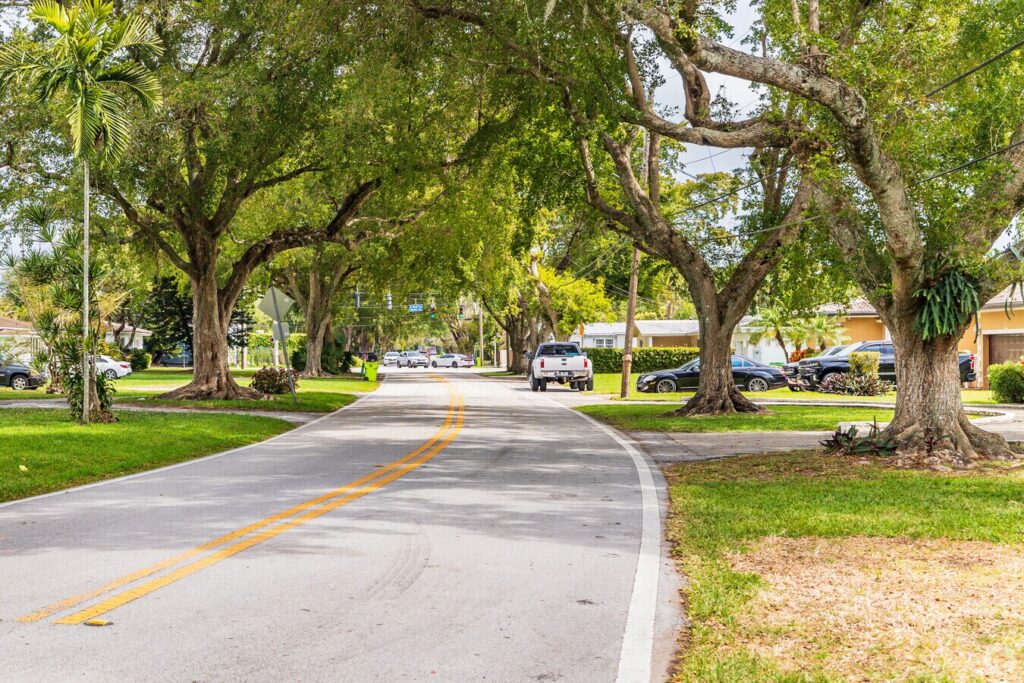
Situated between Miami Shores, Little Haiti, Buena Vista and the Upper East Side, Little River has become one of the most closely watched redevelopment markets in Miami. Its combination of location, evolving urban fabric and long-term growth potential continues to attract attention from developers, businesses and investors alike.
Location Still Matters
One of Little River’s greatest strengths is its position within the city.
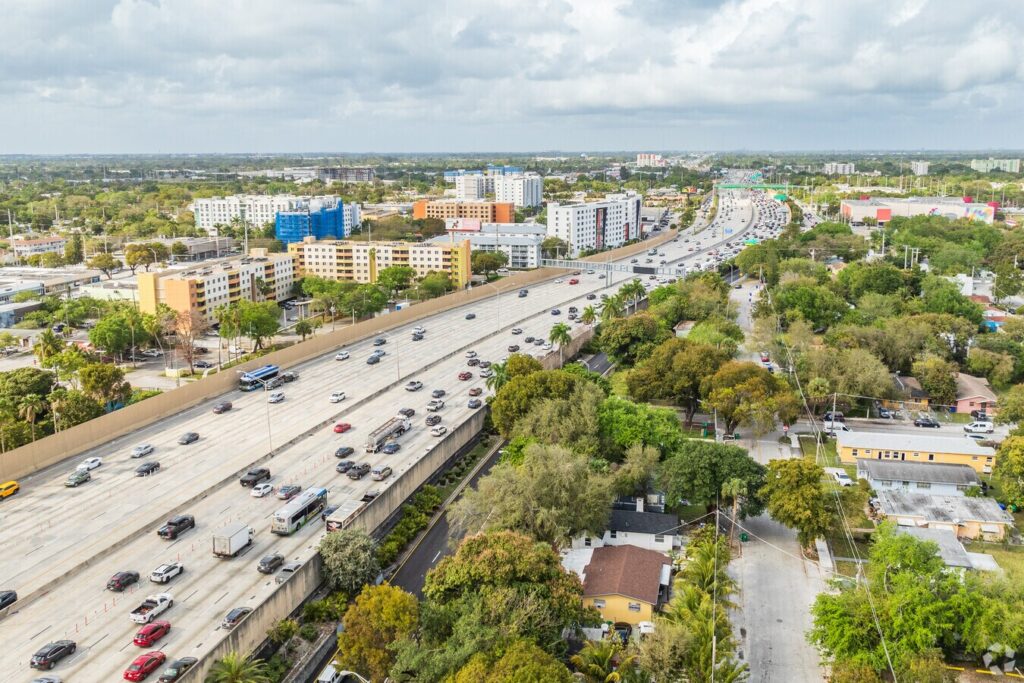
The neighborhood benefits from direct access to Biscayne Boulevard, I-95, the Design District, Wynwood and Downtown Miami while maintaining a distinct identity and more attainable pricing than many neighboring submarkets.
As Miami continues to expand northward, this connectivity is becoming increasingly valuable for both residential and commercial development.
A Neighborhood in Transformation
What makes Little River particularly compelling is that change is occurring simultaneously across multiple sectors.
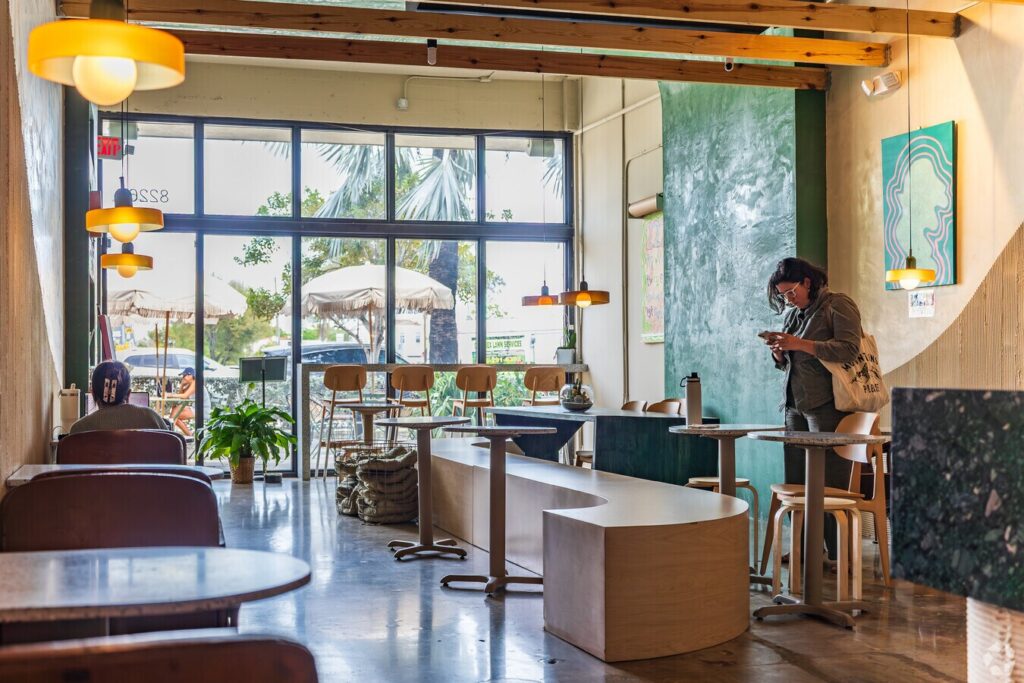
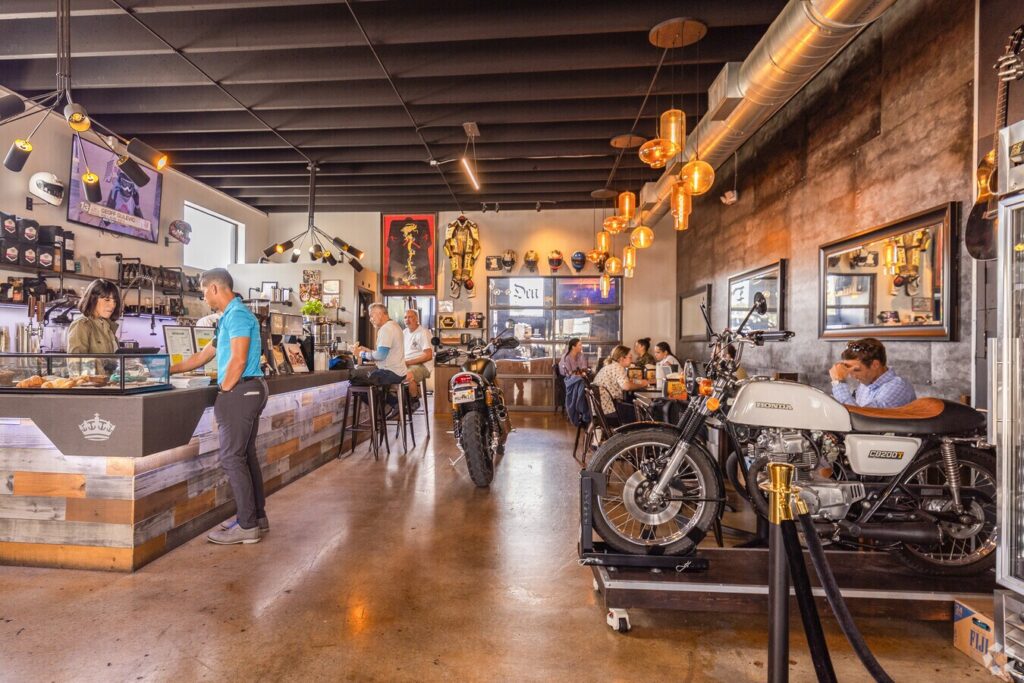
New multifamily developments, adaptive reuse projects, restaurants, creative spaces and local businesses are gradually reshaping the neighborhood’s identity. At the same time, public and private investment continue to create momentum throughout the area.
The neighborhood is no longer viewed solely as an industrial district.
It is increasingly being recognized as a place where people want to live, work and invest.
The Numbers Behind the Momentum
One of the clearest indicators of Little River’s growing importance is the scale of investment currently planned for the neighborhood.
In 2025, Miami-Dade County approved the Little River District, a transformative 63-acre mixed-use development that will deliver more than 5,700 housing units, approximately 370,000 square feet of retail space, extensive public green areas and a new Tri-Rail station.
The project represents an estimated $3 billion investment, making it one of the largest redevelopment initiatives currently planned in Miami-Dade County.
More recently, preparations have continued for construction to begin, reinforcing confidence in the long-term future of the district.
Redevelopment Creates Opportunity
Successful real estate investment rarely depends on identifying where demand exists today.
More often, it requires understanding where demand is heading.
Little River’s combination of redevelopment potential, infrastructure investment, housing demand and business growth is creating a foundation for long-term value creation that many investors continue to watch closely.
As Miami evolves, neighborhoods with strong fundamentals, redevelopment opportunity and strategic connectivity are likely to remain at the center of investment activity.
The Saxum Perspective
At Saxum International, we believe successful development begins with understanding neighborhoods, not just individual properties.
The most impactful projects become part of a broader urban story.
With completed projects, developments under construction and future opportunities throughout Little River, we continue to see firsthand how the neighborhood is evolving and why it remains one of the most compelling real estate markets in Miami today.
Key Takeaways
- Strategic location within Miami’s urban core
- Growing residential, commercial and creative activity
- $3 billion Little River District investment underway
- More than 5,700 planned housing units
- 370,000 SF of future retail space
- New transit infrastructure planned
- Long-term redevelopment and value creation potential
Little River is evolving rapidly, and its transformation continues to position the neighborhood as one of Miami’s most compelling areas for development and investment.